Online Lesson Instagram Post and Story: A Practical Guide for Educators and Creators
If you're an educator, instructor, or content creator looking to share your knowledge online, the Online Lesson Instagram Post and Story template is a powerful tool. Designed for Instagram, it offers a structured way to present your lessons, tutorials, or courses in a visually engaging format. Whether you're teaching a new skill, offering a workshop, or sharing insights, this template helps you communicate effectively while maintaining a professional look.
But like any digital tool, there are nuances to consider. Understanding how to use the Online Lesson Instagram Post and Story template properly can make a big difference in how your content is received. Let's explore what it is, why it matters, and how to avoid common pitfalls.
What Is the Online Lesson Instagram Post and Story Template?
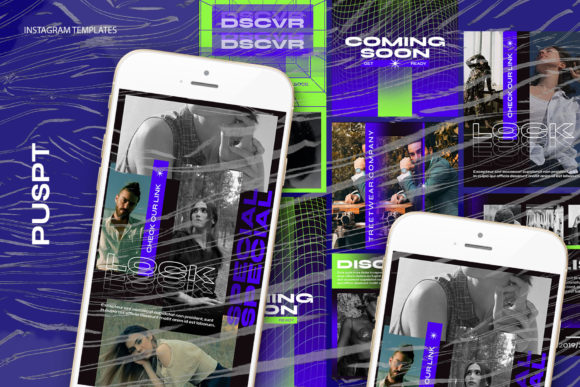
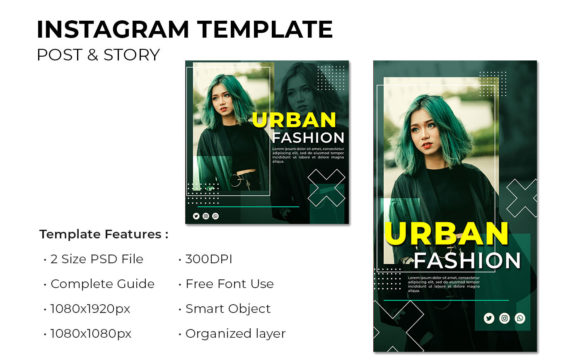
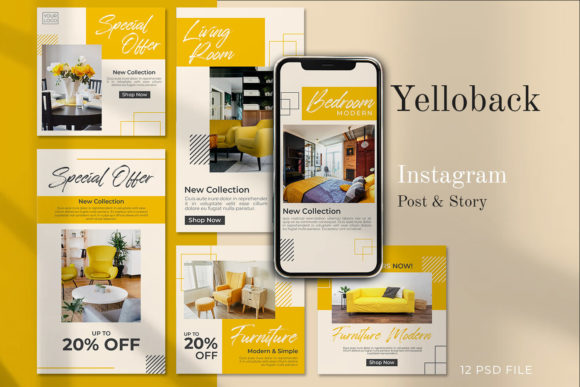
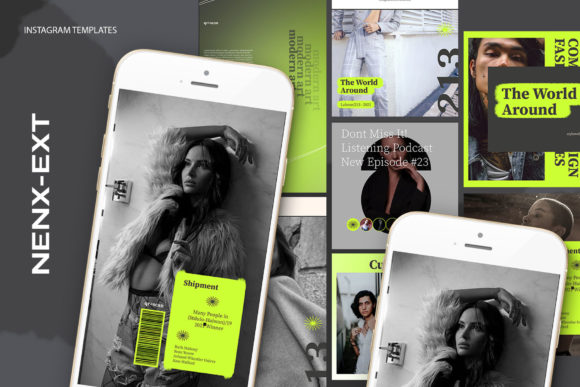
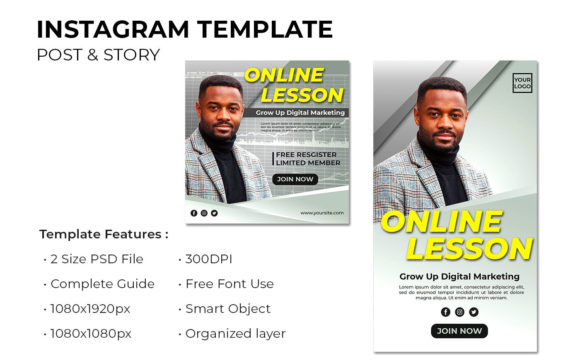
The Online Lesson Instagram Post and Story is a pre-designed layout tailored for Instagram users who want to create educational content. It includes multiple formats—such as 1080×1080 px and 1080x1920 px—which fit perfectly on both the feed and stories. The design is layered, organized, and easy to edit, making it ideal for those who may not have advanced design skills.
With smart objects for images and well-organized layers, the template allows for quick customization. You can add your own photos, adjust text, and even change colors without disrupting the overall structure. Plus, it comes with a help file that guides you through the editing process, ensuring even beginners can get started with ease.
Common Mistakes When Using the Online Lesson Instagram Post and Story
While the Online Lesson Instagram Post and Story is user-friendly, some users make mistakes that can reduce its effectiveness. One of the most common errors is not fully understanding the template’s capabilities before starting. For example, if you’re not familiar with smart objects, you might accidentally resize images in a way that affects quality.
Another frequent issue is ignoring the importance of visual hierarchy. Without proper alignment and spacing, your lesson content can appear cluttered or unprofessional. This can confuse your audience and make it harder for them to follow your message.
Some creators also overlook the need for high-resolution images. Even though the template supports 300 dpi, using low-quality images can result in a blurry or unappealing final product. Always ensure your visuals are sharp and relevant to the lesson you're presenting.
How These Mistakes Affect Results
Mistakes in the Online Lesson Instagram Post and Story can impact several aspects of your content. Poorly designed posts may fail to capture attention, leading to lower engagement. If the layout is confusing, your audience might not understand the lesson’s purpose, which can hurt your credibility as an educator.
Additionally, technical issues like incorrect image sizing or misaligned text can lead to a poor user experience. This not only affects how your content is perceived but also how often it’s shared or saved. In the long run, these issues can hinder your ability to grow your audience or convert followers into students or clients.
Practical Advice for Better Outcomes
To get the most out of the Online Lesson Instagram Post and Story, start by thoroughly reviewing the help file. This will give you a clear understanding of how to edit each layer and customize the design. Take time to experiment with different layouts and color schemes to find what works best for your brand or lesson style.
When adding images, always use high-quality, relevant visuals. Avoid overcrowding the design—keep it clean and focused. Use bold headings and clear subheadings to guide your audience through the lesson. This makes the content more digestible and easier to follow.
Another tip is to test your designs on different devices. Since Instagram posts and stories are viewed on various screen sizes, ensuring your template looks good on both mobile and desktop can improve the overall viewing experience.
What to Check Before Using the Online Lesson Instagram Post and Story
Before diving into your first post, take a moment to evaluate your goals. Are you creating a lesson for a specific audience? Do you need to include interactive elements like polls or questions? Knowing your purpose will help you choose the right template features and design elements.
Also, check that all the files are properly organized. If the layers are not named correctly, it can be frustrating to locate specific elements during editing. Make sure the smart objects are set up correctly so you can easily replace images without breaking the layout.
Finally, review the font choices. While the template may come with free fonts, ensure they are readable and appropriate for your content. Avoid overly decorative fonts that may distract from the message.
Realistic Examples and Better Approaches
Consider this scenario: a teacher wants to create a post about time management. They download the Online Lesson Instagram Post and Story template but don’t adjust the text size. As a result, the lesson appears too small on mobile screens, making it hard to read. A better approach would be to test the text size on different devices and adjust it for clarity.
Another example involves a designer who uses a low-resolution image in their story. The image looks pixelated, which undermines the professionalism of the lesson. A better choice would be to use high-quality stock images or professionally taken photos that align with the lesson’s theme.
Conclusion: Maximize Your Online Lesson Instagram Post and Story
The Online Lesson Instagram Post and Story is a valuable resource for anyone looking to share educational content on social media. With the right approach, it can enhance your presentation, engage your audience, and support your teaching or business goals.
Avoid common mistakes by taking the time to understand the template’s features, using high-quality visuals, and testing your designs across devices. By doing so, you’ll create content that not only looks great but also delivers real value to your audience.