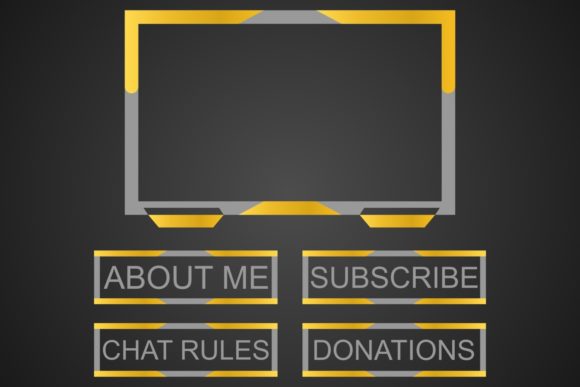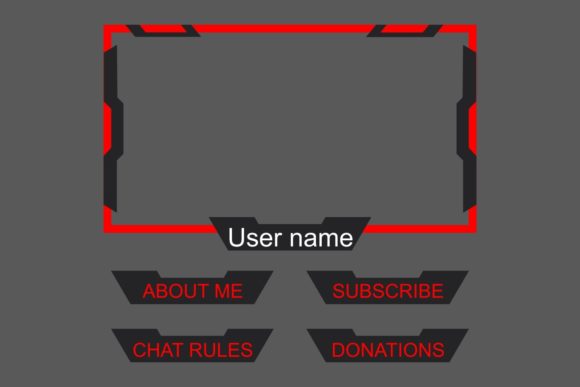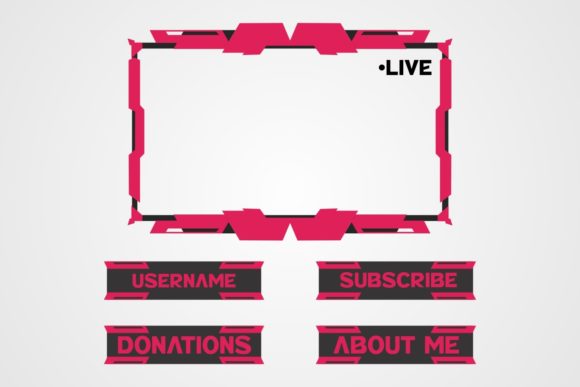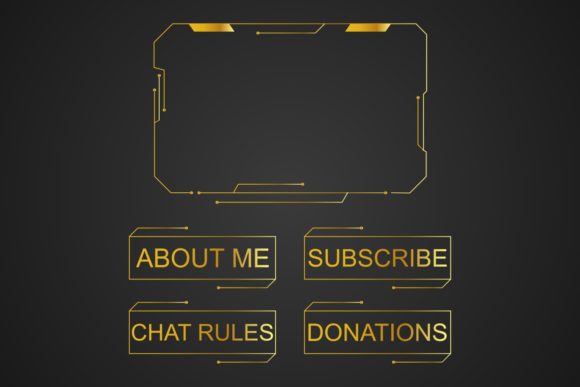
Overlay Panel Vector Design
Overlay panel vector design offers a versatile and powerful way to enhance visual communication across various platforms. These designs are created using vector graphics, which means they can be scaled infinitely without losing quality. This makes them ideal for use in print, digital media, and web design. Whether you're a designer, marketer, or creative professional, understanding the value of overlay panel vector design can elevate your projects and streamline your workflow.
What sets overlay panel vector design apart is its flexibility. Unlike raster images, which become pixelated when resized, vector files maintain crisp edges and sharp details at any size. This feature is particularly useful when working on projects that require multiple formats, such as social media posts, banners, or printed materials. The ability to open, edit, and resize these files without compromising quality ensures that your visuals remain professional and consistent across different mediums.
Understanding Vector Files
Vector files come in several formats, including AI (Adobe Illustrator), SVG (Scalable Vector Graphics), and CMX (CorelDRAW). Each format has its own advantages and is compatible with specific software. For example, AI files are ideal for detailed graphic work in Adobe Illustrator, while SVG files are widely supported by web browsers and can be easily integrated into websites. CMX files are commonly used in CorelDRAW, making them a popular choice among designers who prefer this platform.
In addition to vector files, many overlay panel design packages also include raster image formats like JPG and PNG. These are useful for quick previews, social media sharing, or direct use in projects where vector editing isn't necessary. Having access to both types of files ensures that you have the right tools for every stage of your creative process.
Creative Possibilities with Overlay Panels
Overlay panel vector design opens up a world of creative possibilities. These panels can be used to add depth, texture, or visual interest to layouts, presentations, and digital content. They serve as a foundation for layering elements, allowing you to experiment with composition, color, and typography in a structured way.
One practical application is in branding and marketing. Overlay panels can help create cohesive visual identities by providing a consistent background or frame for logos, icons, and other brand elements. This is especially useful for businesses looking to maintain a professional look across different platforms and materials.
For designers, overlay panels can act as a starting point for custom illustrations or templates. By modifying the shapes, colors, and layers, you can adapt the design to suit specific needs. This not only saves time but also encourages experimentation and innovation in your work.
Adapting for Different Goals and Audiences
The versatility of overlay panel vector design allows it to be tailored for a wide range of goals and audiences. For instance, a designer working on a website might use an overlay panel to create a visually appealing layout that enhances user experience. Meanwhile, a marketer could use the same design to create eye-catching social media graphics that align with brand messaging.
For educators and students, overlay panels can be a valuable tool for teaching design principles. They provide a clear structure for exploring concepts like balance, contrast, and hierarchy. By manipulating these panels, learners can gain a deeper understanding of how visual elements interact and contribute to effective communication.
Freelancers and small business owners can also benefit from overlay panel designs. These resources save time by offering ready-made templates that can be customized to fit specific projects. Whether you're creating a brochure, a presentation, or a digital ad, having access to high-quality vector files ensures that your work remains polished and professional.
Practical Tips for Using Overlay Panel Designs
To get the most out of overlay panel vector design, consider the following tips:
- Start with a clear purpose: Define the goal of your project before selecting or modifying an overlay panel. This helps ensure that your design aligns with your intended message or function.
- Experiment with styles: Don't be afraid to adjust colors, shapes, and layers to match your unique vision. This is where creativity and personal expression come into play.
- Keep it organized: Maintain a logical file structure when working with vector files. This makes it easier to locate and modify elements later on.
- Test across platforms: Preview your design on different devices and formats to ensure consistency and clarity.
By following these practices, you can maximize the effectiveness of your overlay panel designs and achieve better results in your creative work.
Conclusion: Embrace the Power of Vector Design
Overlay panel vector design is more than just a technical tool—it's a creative asset that empowers professionals across industries. Its ability to scale, edit, and adapt makes it an essential resource for anyone involved in visual communication. Whether you're looking to enhance your portfolio, streamline your workflow, or explore new design ideas, these files offer a solid foundation for success.