Mastering the Downward Facing Dog Yoga Pose
The moment you press your palms into the mat and lift your hips toward the ceiling, you are engaging with one of the most recognizable symbols of yoga practice. The Downward Facing Dog Yoga Pose, or Adho Mukha Svanasana, is far more than a static stretch; it is a dynamic transition, a resting position, and a full-body strengthener rolled into one. Whether you are looking to decompress after a long day of work or seeking a foundational element for a creative project, this pose offers versatile value that extends beyond the yoga studio.
At its core, this posture involves forming an inverted "V" shape with your body. Your hands shoulder-width apart and feet hip-width apart create a stable base, while the spine lengthens and the hamstrings stretch. However, the experience of holding this pose varies significantly depending on who you are and what you hope to achieve. For some, it is a physical challenge; for others, it is a mental reset or even a visual asset for their business.
Why This Pose Matters to Different People
The beauty of the Downward Facing Dog Yoga Pose lies in its adaptability. It does not demand perfection, but rather presence. This inclusivity means that a corporate executive, a freelance graphic designer, and a weekend hobbyist can all find unique reasons to prioritize this movement in their lives.
For the busy professional, the primary draw is often stress relief and physical realignment. After hours spent hunched over a laptop or sitting in meetings, the pose serves as a powerful counter-movement. It opens the chest, stretches the tight hip flexors, and invigorates the brain by increasing blood flow. The priority here is reliability and speed; they need a move that works quickly to reset their nervous system without requiring a full hour class.
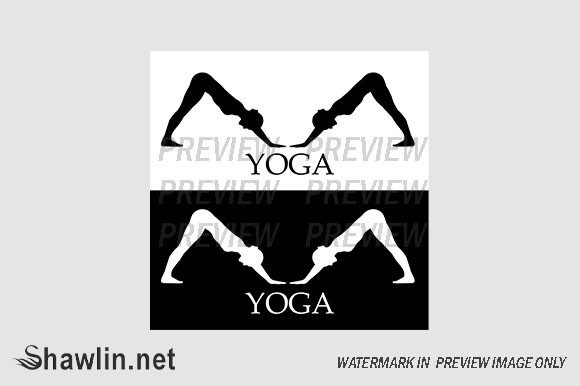
In contrast, a content creator or marketer might evaluate the pose through the lens of aesthetics and branding. Yoga imagery is ubiquitous in wellness marketing, and the silhouette of the Downward Dog is instantly recognizable. For these individuals, the quality of the visual representation matters immensely. They aren't just doing the pose; they are curating it. They might look for high-resolution assets or vector illustrations to use in blog headers, social media posts, or course materials. Their focus shifts to presentation and commercial value. They need images that are crisp, scalable, and free of distracting watermarks so they can maintain a professional look across their platforms.
Evaluating the Pose: Beginners vs. Experienced Practitioners
When approaching the Downward Facing Dog Yoga Pose, skill level dictates the immediate goals. A beginner is often concerned with ease of use and safety. They may struggle with tight hamstrings or wrist sensitivity. For this group, the learning value is paramount. They need clear instructions on how to modify the pose—perhaps by bending the knees or using blocks—to avoid injury while still gaining the benefits. The metric of success for a beginner is not how straight their legs are, but whether they can hold the position with steady breath and without pain.
Experienced users, however, often seek depth and refinement. They might focus on the subtle rotation of the upper arms to create space in the shoulders or the engagement of the quadriceps to lift the kneecaps. Their priority is flexibility in both the physical and technical sense. They view the pose as a diagnostic tool; if their Downward Dog feels off one day, it signals tightness or fatigue elsewhere in the body. For educators and yoga teachers, understanding these nuances is critical. They must be able to break down the mechanics for students while demonstrating the ideal form, balancing learning value with long-term usefulness for their clients.
Practical Applications for Creators and Business Owners
Beyond the physical practice, there is a significant digital and commercial dimension to this topic. Small business owners and publishers often require visual assets that align with their brand identity. When sourcing materials related to the Downward Facing Dog Yoga Pose, the decision-making process involves several factors:
- File Format Versatility: Professionals often need files that work across different mediums. A vector EPS file is invaluable for designers because it allows for infinite scaling without losing quality, making it perfect for everything from business cards to large banners. Having access to older software versions ensures compatibility, removing technical barriers.
- Image Quality: High-resolution JPGs are essential for web use where quick loading times matter, but clarity cannot be compromised. Blurry or pixelated images can damage a brand's credibility.
- Licensing and Usability: The absence of watermarks in the final product is non-negotiable for commercial use. While preview images may have watermarks to protect intellectual property, the final deliverable must be clean to ensure professional presentation.
Consider a freelance educator creating an online course about mindfulness. They need illustrations that clearly depict the anatomy of the pose without being overly clinical. A clean, vector-based illustration allows them to customize colors to match their course theme, enhancing the creativity of their material. Meanwhile, a blogger writing about morning routines might simply need a striking featured image to grab attention in a crowded newsfeed. Both are using the same subject matter but evaluating it based on different project types and end goals.
Is This Right for Your Goals?
Determining whether to focus on the physical practice or the visual representation of the Downward Facing Dog Yoga Pose depends on your current needs. Ask yourself the following questions:
- What is my primary objective? If you seek physical health, focus on alignment and breath. If you are building a brand, focus on high-quality visuals and consistent messaging.
- What is my skill level? Beginners should prioritize modifications and comfort. Advanced practitioners and creators should look for depth, detail, and technical precision.
- What resources do I need? Do you need a quiet mat and a few minutes of time, or do you need editable graphic files and licensing rights?
It is also worth noting that these paths often intersect. A yoga teacher is also a small business owner who needs to market their classes. A fitness influencer is both a practitioner and a content creator. Understanding the dual nature of the pose—as a bodily experience and a cultural symbol—allows for a more holistic approach to your work and wellness.
Ultimately, the Downward Facing Dog Yoga Pose remains a cornerstone of yoga because it meets people where they are. Whether you are stretching out physical tension after a stressful week or searching for the perfect graphic to elevate your website's design, the pose offers a foundation of stability and clarity. By recognizing your specific priorities—be it cost, quality, or learning value—you can engage with this timeless posture in a way that truly supports your journey.
If you are a creator looking for specific assets to support your projects, remember that customization is often key. Reaching out for custom requests can ensure that the visual elements you use perfectly align with your unique vision, bridging the gap between generic stock imagery and bespoke brand identity.