Mastering Visual Impact: A Comprehensive Guide to Editable Thumbnail Design for Any Videos
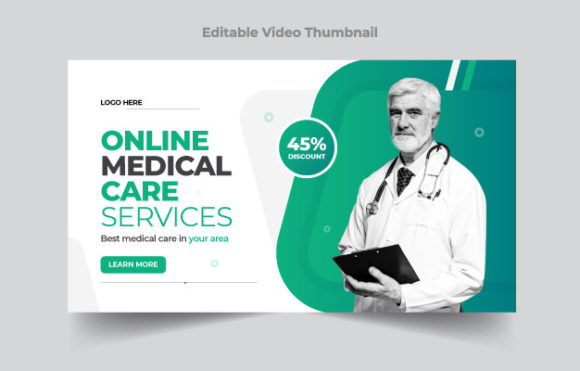
In the rapidly evolving landscape of digital media, the first point of contact between a creator and their audience is rarely the video content itself. It is the static image that represents it. An editable thumbnail design for any videos serves as the digital storefront, the billboard, and the invitation all rolled into one. Whether you are a corporate marketer launching a new product line, an educator sharing tutorials, or a hobbyist documenting a journey, the quality and clarity of your video cover photo can dictate the success of your campaign. Understanding the technical and aesthetic nuances of these assets is no longer optional; it is a fundamental skill for anyone looking to make an impact online.
The Strategic Importance of High-Resolution Assets
When discussing digital graphics, specifications matter immensely. A common pitfall for many beginners is relying on low-resolution images that appear pixelated on modern high-definition screens. Professional templates often adhere to strict standards, such as a size of 1280×720 pixels. While this resolution aligns with standard HD video formats, the density of the image is equally critical. Templates boasting 300 DPI (Dots Per Inch) ensure that even when scaled or viewed on retina displays, the text remains crisp and the graphics sharp. This level of detail separates amateur efforts from professional-grade marketing materials.
Furthermore, the color mode plays a pivotal role in how the final image is rendered. Most digital platforms operate on the RGB color model, which utilizes light to create colors, offering a broader and more vibrant spectrum than the CMYK model used for print. Utilizing an editable template designed specifically in RGB ensures that the colors you see on your screen are exactly what your audience sees on YouTube, Facebook, LinkedIn, or Instagram. Deviating from these standards can result in dull, washed-out visuals that fail to capture attention in a crowded feed.
Versatility Across Industries
The utility of a well-crafted video thumbnail and editable corporate digital marketing web banner template extends far beyond simple entertainment. In the corporate sector, these assets are vital for internal communications, webinar promotions, and product demos. A consistent visual language helps reinforce brand identity. For instance, a financial institution might use a clean, structured layout with authoritative typography to convey trust, while a tech startup might opt for bold colors and dynamic shapes to suggest innovation.
Educators and researchers also benefit significantly from standardized design templates. When publishing lecture series or conference presentations, a uniform video cover photo for social media helps students and peers instantly recognize the source material. It creates a sense of organization and professionalism that enhances the perceived value of the educational content. Similarly, non-profit organizations can use these tools to create compelling narratives for fundraising campaigns, ensuring that their message stands out without requiring a dedicated graphic design team for every single post.
Technical Advantages of Vector-Based Formats
One of the most significant features of premium design resources is the file format. Many high-quality templates are provided in EPS (Encapsulated PostScript) format. Unlike raster images (like JPEGs or PNGs) which are made of pixels, EPS files are vector-based. This means the graphics are defined by mathematical equations rather than a grid of colored dots. The primary advantage here is scalability. You can resize elements within the template infinitely without losing quality. This is particularly useful when adapting a design originally meant for a YouTube thumbnail for use on a large website header or a digital signage display.
Additionally, EPS files offer superior editability. When a template is described as fully editable, it implies that every layer, shape, and text box can be manipulated independently. In a well-organized file structure, designers can easily isolate the background, adjust the lighting effects, or swap out placeholder graphics. This level of control is essential for customization. If a brand's color palette changes, or if a specific campaign requires a different mood, the underlying structure of the design remains intact while the surface elements are effortlessly updated.
The Workflow of Customization
Working with a well-organized easy to edit template streamlines the creative process. Instead of starting from a blank canvas, which can be intimidating and time-consuming, creators start with a solid foundation. The workflow typically involves opening the EPS file in compatible software such as Adobe Illustrator or CorelDRAW. From there, the user replaces the placeholder text with their own headlines. Since the fonts used in these templates are often font free or widely available, there are no licensing hurdles or costs associated with downloading specific typefaces. This accessibility ensures that the design process remains smooth and legally compliant.
It is important to note that while the template provides the structure, the image is not included. This is a standard practice in the industry, allowing the buyer to insert their own proprietary photography or footage screenshots. This requirement encourages originality. By inserting unique imagery, creators ensure that their thumbnails are distinct and relevant to their specific content. It prevents the "cookie-cutter" look that occurs when everyone uses the exact same stock photos provided in a template pack. The combination of a professional layout with unique imagery creates a powerful visual hook.
Optimizing for Social Media Algorithms
Beyond aesthetics, the design of a thumbnail has direct implications for search engine optimization (SEO) and platform algorithms. Platforms like YouTube and Facebook prioritize content that generates high click-through rates (CTR). A professionally designed thumbnail signals to the algorithm that the content is high-quality, potentially leading to better distribution. Key elements such as contrast, readability, and emotional resonance are built into effective editable thumbnail designs. For example, placing text in high-contrast areas ensures legibility even on small mobile screens, where a significant portion of social media consumption takes place.
Moreover, consistency in branding across a channel helps in building a loyal audience. When viewers recognize a specific style of video cover photo, they are more likely to click on it because they associate it with content they have enjoyed previously. Using a modular template system allows businesses and creators to maintain this consistency while still varying the specific messaging for each video. This balance between familiarity and novelty is key to sustaining long-term engagement.
Considerations for Implementation
While the benefits of using professional templates are clear, successful implementation requires attention to detail. Users must ensure they have the appropriate software to handle EPS files. While some online converters exist, native vector editing software provides the best results. Furthermore, understanding the principles of composition is helpful. Even with a great template, poor choices in image selection or overcrowding the design with too much text can undermine its effectiveness. The goal is to guide the viewer's eye to the most important element—usually the title or the main subject of the video.
Another consideration is the adaptability of the design across different aspect ratios. While the standard 1280×720 pixels is perfect for YouTube, other platforms may require different dimensions. A robust template allows for easy adjustment of the artboard size. Because the elements are vector-based, resizing the entire composition for an Instagram Story or a LinkedIn post header can be done quickly without distortion. This flexibility maximizes the return on investment for the template, allowing a single design asset to serve multiple purposes across a comprehensive digital marketing strategy.
The Future of Digital Visuals
As digital consumption habits continue to shift towards short-form video and immersive experiences, the demand for high-quality static representations of that content will only grow. The editable thumbnail design for any videos is not just a static image; it is a crucial component of the storytelling ecosystem. It bridges the gap between the scroll and the play button. By leveraging tools that offer high resolution, vector scalability, and ease of customization, creators and businesses can elevate their visual communication.
In conclusion, the choice to utilize professional, editable templates reflects a commitment to quality and efficiency. Whether for a global corporate campaign or a personal vlog, the visual presentation sets the tone for the entire viewing experience. By understanding the technical specifications like RGB color modes and 300 DPI resolution, and by appreciating the workflow advantages of EPS files, users can fully harness the potential of these design resources. The result is a more engaging, professional, and effective presence in the digital world, where first impressions are often the only ones that count.