Evaluating the Social Media Template for E-Sports Teams
In the rapidly evolving landscape of digital marketing, visual consistency is a critical component of brand identity. For organizations operating within the competitive gaming sector, maintaining a professional presence on platforms like Instagram is not merely optional; it is a necessity. A Social Media Template serves as a foundational tool in this process, providing a pre-designed structure that teams can adapt to communicate news, match results, and player highlights. This article evaluates the utility of specialized template packs, specifically those designed for E-Sports, to help organizations determine if such resources align with their operational capabilities and strategic goals.
Understanding the Role of Structured Design Assets
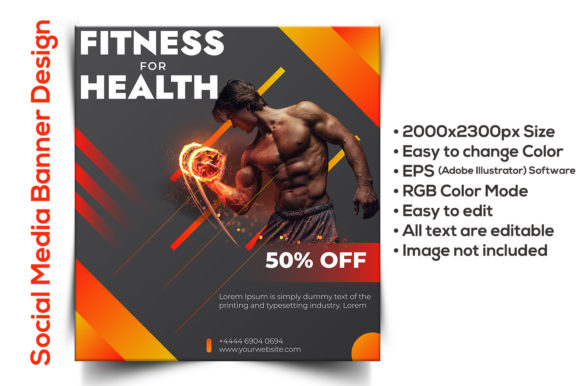
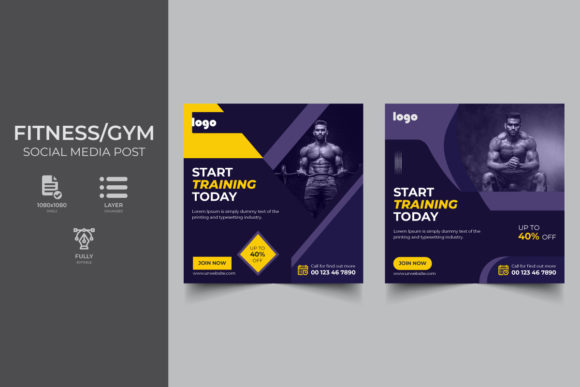
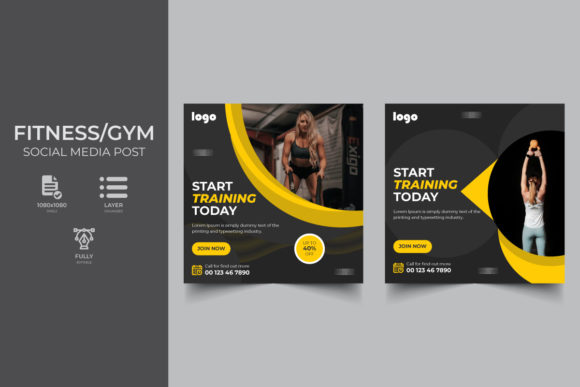
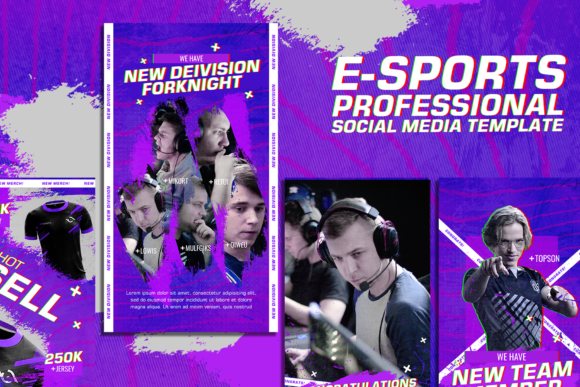
A Social Media Template is essentially a reusable layout file that defines the visual hierarchy of a post. In the context of E-Sports, these templates often include designated areas for player headshots, team logos, match scores, and sponsor branding. The primary function of these assets is to streamline the content creation workflow. Instead of designing every post from scratch, a social media manager can populate existing frames with new data, ensuring that the output remains cohesive across the entire feed.
The specific product often referenced in this niche is a comprehensive pack, such as an "E-Sports Professional Social Media Feed Pack." These collections typically offer a high volume of variations—sometimes upwards of 100 distinct layouts—formatted for industry-standard software like Adobe Photoshop. The value proposition lies in the balance between customization and efficiency. While the designs are pre-made, they are intended to be fully editable, allowing teams to adjust colors, fonts, and imagery to match their unique brand guidelines.
Strategic Benefits for E-Sports Organizations
For an E-Sports team or tournament organizer, the decision to utilize a dedicated template pack often stems from the need for speed and consistency. The competitive gaming scene moves quickly; match results need to be posted immediately, and roster announcements must look polished upon release. Using a robust Social Media Template system allows staff to reduce turnaround time significantly.
- Brand Consistency: A unified visual language helps fans instantly recognize content associated with the team, fostering a stronger sense of community and professionalism.
- Resource Efficiency: By eliminating the need to design every graphic from zero, teams can allocate human resources to strategy, engagement, and content planning rather than repetitive design tasks.
- Versatility: High-quality packs usually cover a wide range of scenarios, including player introductions, match schedules, victory celebrations, and sponsor spotlights, ensuring the team is prepared for various content needs.
- Scalability: As a team grows or participates in more tournaments, having a large library of layouts ensures that content volume can increase without sacrificing quality.
Technical Requirements and Skill Considerations
While the benefits of using a Social Media Template are clear, potential users must carefully evaluate the technical prerequisites. Most professional-grade packs, particularly those offering extensive customization, are delivered in Adobe Photoshop (PSD) format. This imposes specific requirements on the user:
- Software Access: The organization must have a valid license for Adobe Photoshop. Unlike browser-based design tools, PSD files require desktop software to edit layers, smart objects, and effects properly.
- Design Proficiency: Editing skill is genuinely needed. Users must be comfortable navigating layer structures, masking images, adjusting blend modes, and managing typography. A lack of familiarity with these tools can lead to errors or subpar final outputs.
- Asset Management: These packs often include external font files. Users must install these fonts locally before editing to ensure the text renders correctly. Failure to manage these assets can result in broken layouts or substituted typography that clashes with the design.
This technical barrier is a crucial tradeoff. While Photoshop offers superior control over image quality and complex effects compared to simpler drag-and-drop builders, it demands a higher level of expertise. Teams without an in-house graphic designer may find the learning curve steep, potentially negating the time-saving benefits of the template.
Ideal Use Cases and Fit
A dedicated Social Media Template pack is a strong fit for established E-Sports teams, tournament organizers, and gaming communities that prioritize high-fidelity visuals. It is particularly suitable for entities that already possess some design capability or have the budget to hire a freelancer who can set up the initial files. If an organization aims to project an image comparable to major league sports franchises, the polish provided by professional Photoshop templates is often unmatched.
Furthermore, these templates are ideal for situations requiring rapid iteration during live events. During a tournament, where multiple matches occur in a single day, having a pre-built system allows a small team to churn out accurate, branded graphics for every game result without delaying coverage.
When to Consider Alternatives
Despite their advantages, these template packs are not the universal solution for every scenario. There are specific situations where alternatives may be worth considering:
- Lack of Technical Resources: If a team relies entirely on volunteers with no experience in Adobe Creative Cloud, a cloud-based design platform with drag-and-drop functionality might be more practical. These platforms sacrifice some granular control for ease of use.
- Budget Constraints: While template packs are generally cost-effective compared to custom design, they still represent an upfront cost. Additionally, the recurring cost of Photoshop subscriptions must be factored into the long-term budget.
- Need for Unique Branding: Templates, by definition, are shared assets. While editable, they start from a common base. Organizations seeking a completely unique visual identity that stands apart from other teams using similar packs may need to invest in bespoke custom design work.
Making an Informed Decision
Selecting the right approach for social media content involves balancing ambition with capability. When evaluating a Social Media Template pack, decision-makers should ask: Do we have the software? Do we have the skills, or the time to learn them? Is the volume of layouts sufficient for our content calendar?
If the answer to these questions is affirmative, a professional feed pack can be a transformative asset. It bridges the gap between amateur aesthetics and professional presentation, providing a structured framework that supports growth. However, if the technical overhead proves too burdensome, the organization risks creating inconsistent or poorly edited content, which can damage brand perception.
Ultimately, the goal is to enhance communication with the audience. Whether through a sophisticated Photoshop template or a simpler alternative, the chosen method must reliably deliver clear, engaging, and consistent visuals. For E-Sports teams ready to invest in their visual infrastructure, a comprehensive template pack offers a logical, efficient pathway to a polished online presence, provided the necessary technical foundations are in place.