Sweater Weather and the Versatility of Digital Designs
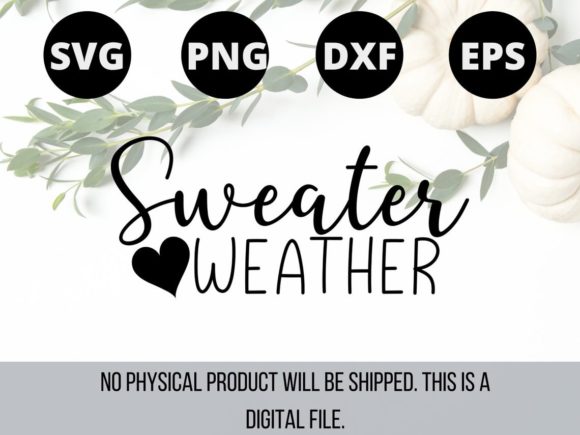
When the air turns crisp and a gentle chill settles in, it's the perfect time to embrace the cozy charm of sweater weather. This season isn't just about staying warm; it's also an opportunity to explore creative expressions through digital design files. Whether you're a designer, a small business owner, or a hobbyist, the right set of digital assets can transform your ideas into tangible products. One such collection includes SVG, PNG, DXF, and EPS files, each offering unique advantages for various applications.
The availability of these file types ensures that your creative vision can be realized across different mediums. From custom t-shirts to personalized coffee mugs, the possibilities are nearly endless. Understanding the strengths of each file format is key to leveraging them effectively in your projects.
Understanding the File Formats
SVG (Scalable Vector Graphics) files are ideal for creating high-quality graphics that maintain clarity at any size. They are particularly useful for designing logos, icons, and illustrations that need to be scaled without losing detail. Because they are based on XML, SVGs are also editable with text editors, making them a flexible choice for designers who want to tweak their work.
PNG (Portable Network Graphics) files are known for their transparency support and high image quality. They are commonly used for web graphics, social media posts, and digital prints where a clear background is necessary. Their ability to handle both simple and complex images makes them a popular choice among creators looking for versatility.
DXF (Drawing Exchange Format) files are widely used in CAD (Computer-Aided Design) software. They allow for precise measurements and are often used in manufacturing and engineering contexts. If you're planning to create physical items like signs or custom parts, DXF files can provide the accuracy needed for successful production.
EPS (Encapsulated PostScript) files are another vector-based format that supports both vector and bitmap data. They are commonly used in professional printing environments due to their compatibility with a wide range of design software. EPS files are especially valuable when working with high-resolution outputs that require detailed precision.
Applications of Digital Design Files
The adaptability of these digital files opens up a wide range of applications. For instance, if you're looking to create custom apparel, SVG and PNG files can be easily transferred to t-shirt printers or screen-printing services. The scalability of SVGs ensures that your design remains sharp and clear, regardless of the size of the garment.
Coffee mugs and tumblers are another popular item that benefits from digital design files. With PNG files, you can create vibrant, full-color prints that stand out on ceramic surfaces. The transparency support in PNGs allows for more creative freedom, enabling you to layer designs or incorporate intricate details.
Hats and bags are also common items that can be customized using these files. The flexibility of SVGs makes them perfect for embroidery or heat transfer processes, while EPS files ensure that your designs meet the standards required for professional printing. Whether you're producing a batch of branded merchandise or creating one-of-a-kind pieces, these files provide the tools you need to bring your ideas to life.
Signs and promotional materials can also benefit from the use of digital design files. DXF files are particularly useful for laser cutting or engraving, allowing for precise and consistent results. EPS files, on the other hand, are ideal for large-format printing, ensuring that your message is clear and impactful.
Benefits of Using Digital Design Files
One of the primary advantages of digital design files is their ease of use. Unlike traditional design methods, which may require specialized equipment or software, digital files can be accessed and edited with a variety of tools. This accessibility makes it easier for individuals and businesses to experiment with different designs and iterate on their ideas.
Another benefit is the cost-effectiveness of digital files. Once you have the necessary files, you can reproduce your designs multiple times without incurring additional costs. This is especially beneficial for small businesses or independent creators who are looking to produce custom items on a budget.
Additionally, digital design files offer greater flexibility in terms of customization. You can easily modify colors, sizes, and layouts to suit different needs or preferences. This level of adaptability is particularly useful when working with clients or customers who have specific requirements.
From a practical standpoint, digital files also simplify the production process. They can be seamlessly integrated into various workflows, whether you're using a home printer, a local print shop, or an online fulfillment service. This streamlined approach saves time and reduces the risk of errors during the production phase.
Considerations When Working with Digital Files
While digital design files offer numerous benefits, there are some considerations to keep in mind. One important factor is file compatibility. Not all design software supports every file type, so it's essential to choose the right format for your specific needs. For example, if you're working with a graphic design program, you may find that SVG or PNG files are more user-friendly than DXF or EPS.
Another consideration is file resolution. While vector files like SVG and EPS are resolution-independent, raster files like PNG require a certain level of detail to maintain quality. It's important to ensure that your files are created at the appropriate resolution for the intended application, whether it's for web use, print, or physical production.
Finally, it's worth noting that digital files should be backed up regularly. Losing access to your design files can be frustrating and costly, especially if you've invested time and effort into creating them. Storing copies in multiple locations, such as cloud storage or external drives, can help protect against data loss.
By understanding the characteristics, advantages, and considerations of digital design files, you can make informed decisions that enhance your creative projects. Whether you're working on a personal endeavor or a commercial venture, the right set of files can make a significant difference in the quality and success of your final product.