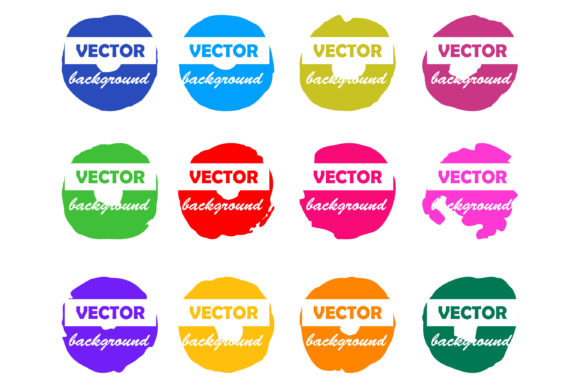
Pastel Neon Paint Stains for Modern Design
Imagine a visual element that instantly injects energy, playfulness, and modern sophistication into your creative projects without overwhelming the viewer. This is the unique power of Pastel Neon Paint Stains, a dynamic design resource that bridges the gap between raw artistic expression and polished digital aesthetics. For graphic designers and brand strategists, these assets offer more than just decoration; they provide a versatile foundation for building memorable visual identities in an increasingly crowded digital landscape.
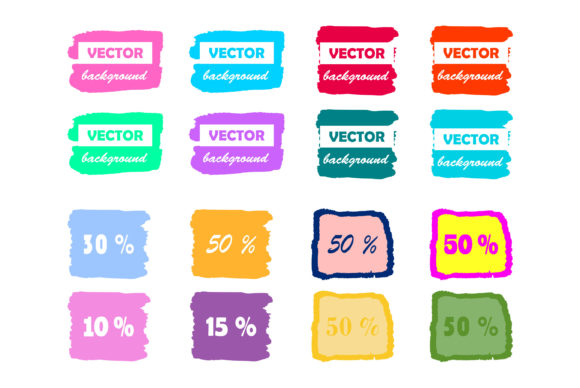
In the realm of contemporary graphic design, standing out requires a delicate balance between familiarity and innovation. Pastel neon hues—spanning vibrant pinks, electric greens, sunny yellows, cool blues, and rich purples—capture attention while maintaining a soft, approachable feel. Unlike harsh, saturated neons that can strain the eye, pastel variants offer a refined luminosity that works exceptionally well across various media. When isolated on a white background as abstract vector illustrations, these paint stains become incredibly flexible creative assets ready for immediate integration into your design workflow.
Elevating Brand Identity and Visual Communication
The primary value of incorporating colorful pastel neon paintbrush stains lies in their ability to humanize a brand. In an era where digital perfection often feels sterile, organic textures like paint splatters introduce authenticity and tactile warmth. This is crucial for branding and logo design, where establishing an emotional connection with the audience is paramount. By layering these elements behind typography or integrating them into iconography, designers can create a visual hierarchy that guides the eye naturally while adding depth to flat compositions.
These elements are particularly effective for businesses targeting younger demographics or those in creative industries such as fashion, tech startups, and lifestyle brands. The interplay of soft pastels with neon undertones suggests innovation and friendliness simultaneously. When used in packaging design or print design, these stains can transform a simple box or brochure into a piece of art, encouraging unboxing experiences that users want to share on social media.
Practical Applications Across Media
The versatility of isolated vector illustrations means they can be scaled infinitely without losing quality, making them ideal for everything from massive billboards to tiny mobile app icons. Here is how you can leverage these assets effectively:
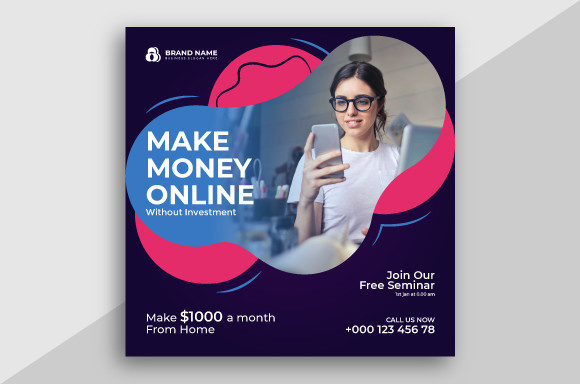
- Social Media Graphics: Use vibrant stains as background accents for Instagram stories or LinkedIn posts to increase engagement rates and stop the scroll.
- Web and UI Design: Incorporate subtle splashes behind call-to-action buttons or hero sections to break up grid structures and add personality to UX design.
- Editorial Layouts: Enhance magazine spreads or digital reports by using color blocks to highlight key quotes or separate sections, improving readability and flow.
- Advertising Campaigns: Create eye-catching banners where the organic shape of the paint contrasts with clean, sans-serif typography for maximum impact.
- Merchandise and Apparel: Apply these designs to t-shirts, tote bags, or stickers to create trendy, limited-edition products that resonate with current design trends.
Best Practices for Integration
While these assets are powerful, their effectiveness depends on thoughtful application. The goal is to enhance communication, not distract from it. When selecting colors from the pink, green, yellow, blue, or purple spectrum, ensure they align with your existing color palette and brand identity. Consistency is key; if your brand voice is professional and subdued, use the stains sparingly as subtle textural overlays rather than dominant focal points.
Readability must always remain a priority. When placing text over or near these colorful elements, ensure there is sufficient contrast. You might need to lower the opacity of the stain or add a neutral overlay to maintain legibility. Furthermore, consider the psychological impact of each hue: pink and purple often evoke creativity and luxury, while green and blue suggest growth and trust. Align these choices with your specific design goals and audience expectations.
Ultimately, high-quality creative assets like colorful pastel neon paintbrush paint stains are tools for storytelling. They allow designers to move beyond standard templates and craft unique narratives that resonate on a visceral level. By combining modern aesthetics with practical usability, you can elevate your professional presentation and deliver work that is not only visually stunning but also strategically sound. Embrace these textures to infuse your next project with life, ensuring your message is seen, felt, and remembered.